What a peptide actually is
What these compounds are, why your body already makes thousands of them, and what makes a therapeutic peptide different from a protein.
Amino acids, in short chains
Proteins are long chains of amino acids — hundreds or thousands of links. Peptides are the same material in much shorter chains, typically between two and fifty. That length difference is not trivia; it is the whole reason they behave differently. Short chains can fit into receptors, cross membranes, and act as signals. Long chains mostly act as structure.
Your body manufactures thousands of peptides and uses them as its internal messaging system. Insulin is a peptide. So is the GLP-1 your intestine releases after you eat, and the growth hormone-releasing hormone your hypothalamus produces at night.
So what is a therapeutic peptide?
It is a lab-made copy of one of those messages, or a close analogue engineered to last longer than the original. Natural GLP-1 breaks down in about two minutes. The analogues used in weight protocols are structurally modified to survive for days, which is the only reason a weekly dose is possible.
This is why peptides tend to be described as working 'with' the body rather than overriding it. You are not introducing a foreign mechanism — you are re-sending a signal the receptors already recognise, at a level or duration your body is no longer producing on its own.
What that means practically
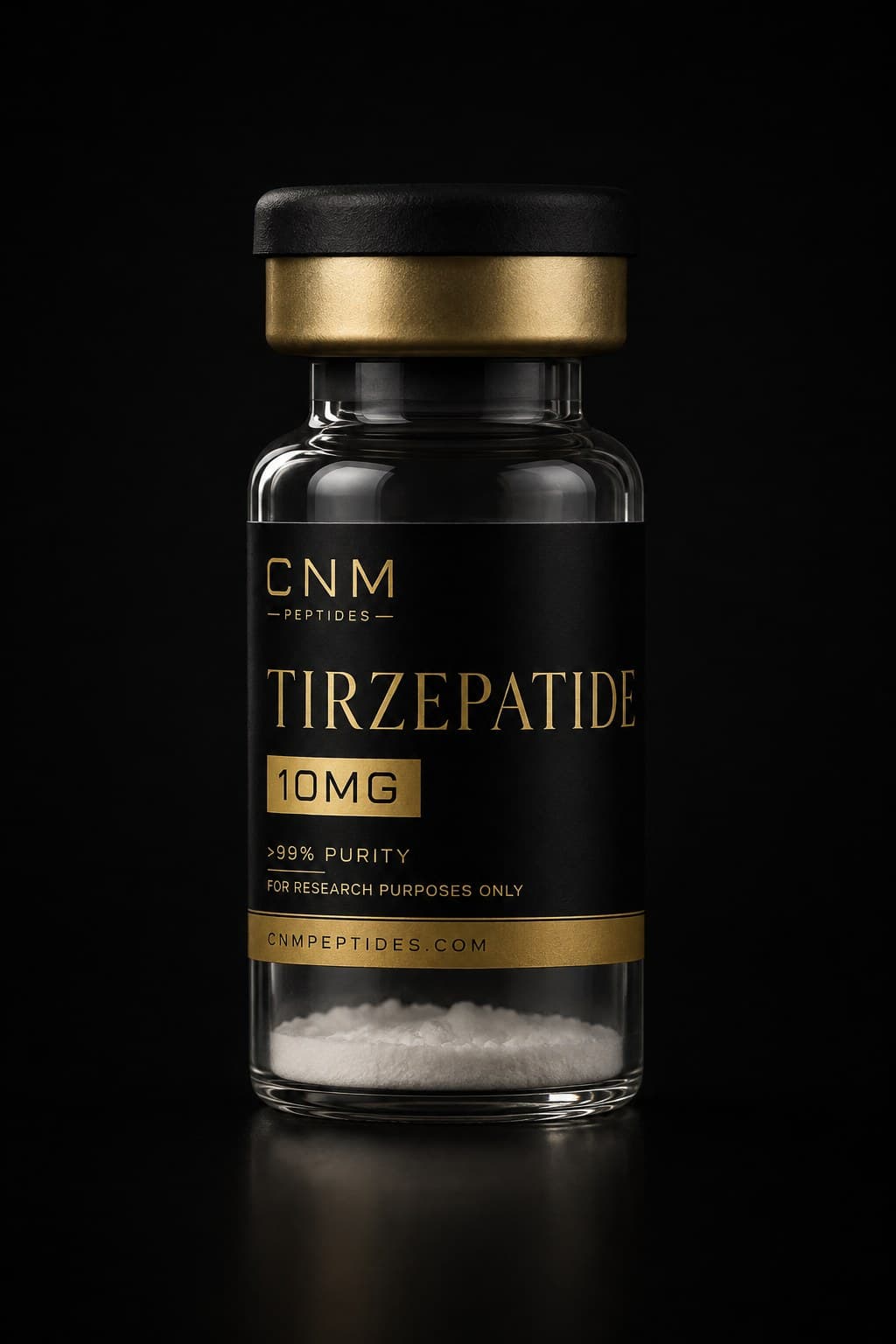
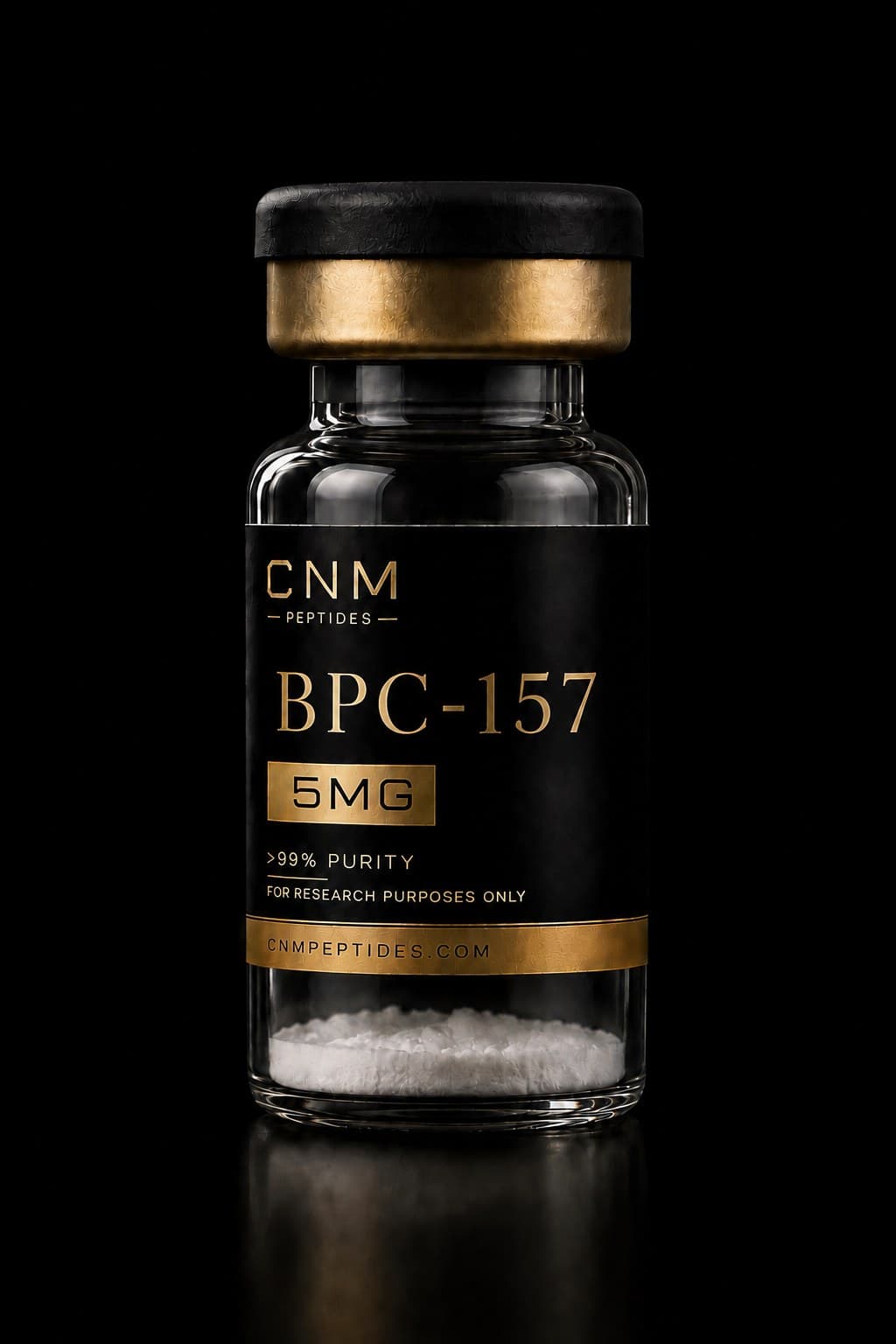
Two things follow. First, effects are usually gradual, because you are shifting a signalling balance rather than forcing an outcome. Second, the specific peptide matters enormously — they are not interchangeable, and a compound that acts on collagen synthesis has nothing in common with one that acts on appetite beyond the word describing its structure.
That is why a compound acting on collagen synthesis has nothing in common with one acting on appetite, beyond the word describing its structure — and why the goal you start from matters more than the chemistry.
Still have questions?
Message us and you'll get an answer from a person who knows the protocols — in English or Spanish. We'd rather talk you out of the wrong purchase than into it.
Ask us directly